

Digital Literacy& Skills Module Introduction
Throughout this semester, I have developed valuable digital creative and communication skills through my Digital Literacy and Skills module. The weekly workshops have helped me understand how digital content is created, communicated and presented to different audiences.
I have developed skills in research, academic writing, storytelling, audience engagement, creativity, critical thinking and digital video production.
I have also completed two main assignments. The first was a 1000 words blog post analysing Airbnb's advertising campaign "Don't Go There, Live There". The second was a group video project titled "The Fake Life Behind the Likes", exploring the ethical and environmental responsibilities of social media influencers and digital content creators.
This page showcases my learning journey, practical experiences , achievements and areas for further development.
WEEK 1- Module Introduction

We started the Digital Literacy on the 8/09/2026, we went through the assignment guidelines and we downloaded the assignment brief into OneDrive.

Some examples of Digital Communication: Email, Instant messaging, Video Conferencing, Social Media(Facebook, Instagram, LinkedIn), Text Messaging.

I learned about the understanding of Digital Communication and some examples of effective digital communication, and the top skills for SUCCESs in Digital Communication: Digital Communication, Marketing, Digital Marketing, Analytics, Public Relation, Content Creation, Newsletters, Journalism, HTML

Employability connection
I developed an understanding of how digital literacy supports employability and professional development. I also recognised the importance of improving my confidence when using digital tools and the importance of digital skills in the workplace.
WEEK 2 Simplicity and Action

on week 2, we learned about the principles of the SUCCESs Model in details(Simple, Unexpected, Concrete, Credible, Emotional, Stories) and the understanding of it affordances: What a particular digital medium or format unable you to do: Blog, Audio, Video, Social Media.

Communicating ideas clearly and simply.
Organising information effectively.
Developing problem-solving and decision-making skills.
I learned how to communicate information in a simple and understandable way. This helped me recognise that effective communication is important when presenting creative ideas to different audiences.
We learned about the Tuckman Working Questionnaire that helps student to assess what stage his team is operating at, based on the "Tuckman" model of team formation, which describes the four stages a team will go through: forming, storming, norming and performing.
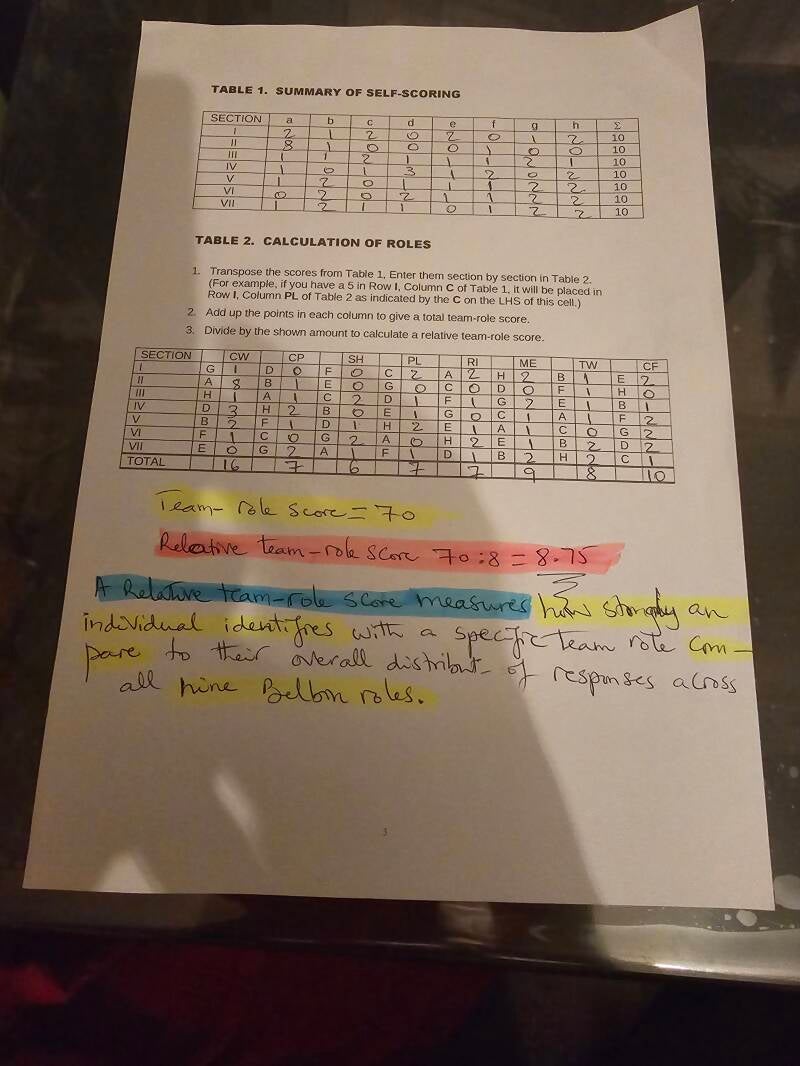
We focused on Belbin's self perception inventory for team role assessment to find out the Relative team role score, which measures how strongly an Individual identifies with a specific team role compare to their overall distribution of responses across all nine Belbin roles.

We worked on the groupwork. The 10mn Group presentation. We found the 3 possible issues/ Trend/ Industry combination.
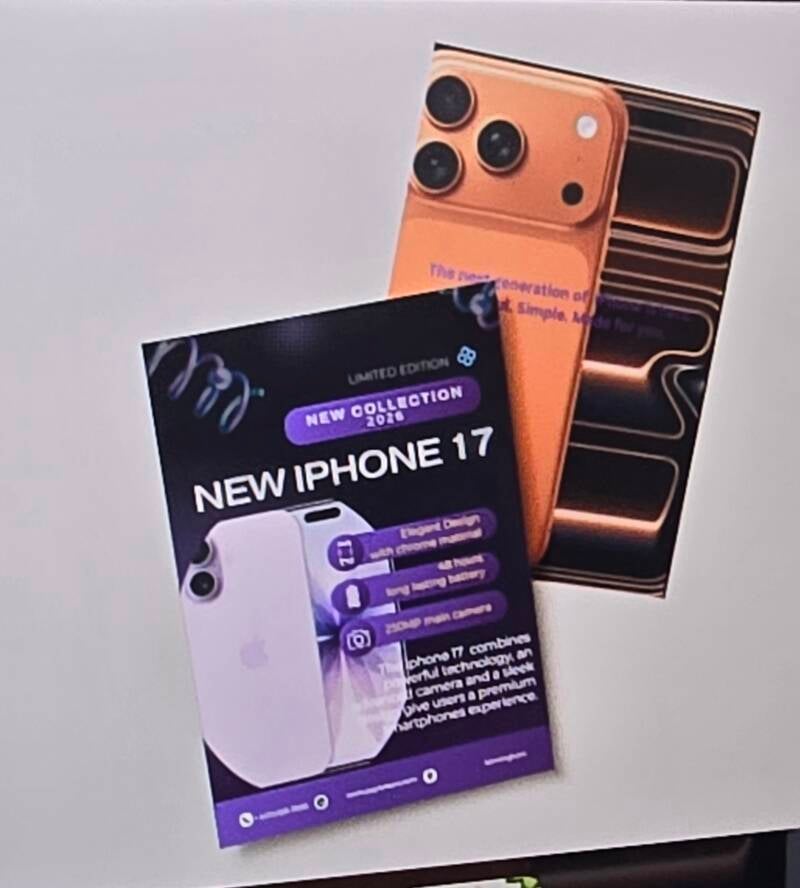
We also did a power point presentation, comparing Iphone 17 and a Samsung according based on their advertising messages.
WEEK 3 Attention and the Unexpected

This questionnaire is designed to help us assess what state our team is operating at. It is based on the Tuck man model of team formation. I then have to realize that I belong to Norming Stage 3 for a groupwork, who respond well to facilitation by leader.
This session helped me understand how to capture people's attention through interesting and unexpected ideas, I learned that creative content needs to stand out while remaining relevant to its intended audience.
Capturing audience attention
Developing creativity and original thinking
Understanding how to make digital content interesting.


I developed my creative thinking by exploring ways to attract and maintain an audience's attention. I learned that unexpecting ideas and engaging content can make digital communication more effective.
WEEK 4 Affect and Concreteness

Using emotional communication
Making ideas more reliable through examples.
Understanding audience feelings and experiences


I learned how emotions and practical examples can make digital messages more meaningful. This improved my understanding of how to connect with an audience through storytelling.
Week 5 - Blog Post or Audio Recording Workshop 1
Academic writing and research
Planning and structuring a blog
Developing digital storytelling skills
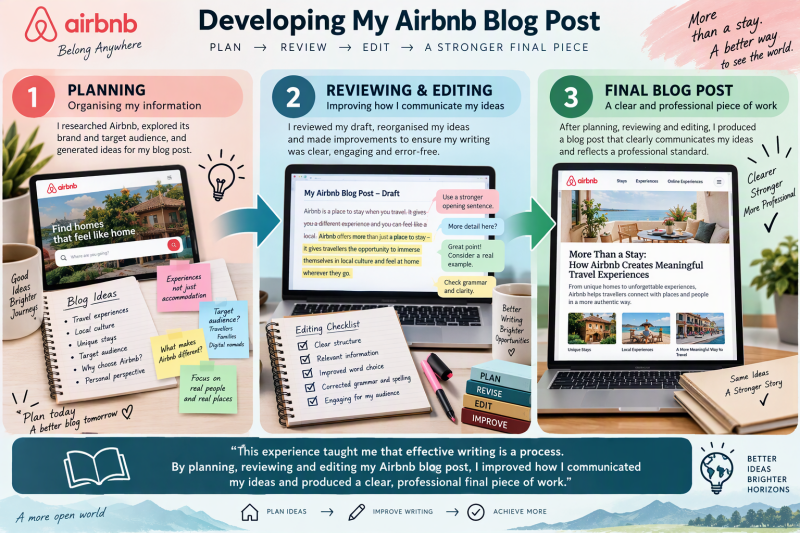

"I developed my writing and research skills while preparing my Airbnb blog, "Don't Go There, Live There". I learned how advertising uses storytelling to influence people's decision and create emotional connections with audiences.

Week 6 - Blog Post or Audio Recording: Workshop 2

Editing and Proofreading
Reviewing information and improving written communication
Understanding digital content quality and presentation

I continue developing my Airbnb blog post by organising my information and improving how I communicated my ideas. I learned that effective writing requires planning, reviewing and editing to make the final work clear and professional.
i improved my ability to organise, edit and present written information, and meeting deadlines.
Week 7 Affinity and Credibility
Identifying reliable information
Building trust with an audience
Understanding authenticity and professional credibility

"II learned the importance of credibility and authenticity in digital communication. This was particularly relevant when examining influencers and how misleading online lifestyles can affect audience trust.
Week 8 - Visibility and Emotion
Understanding visual communication
Using Images and design to communicate messages
Recognising the influence of emotional content on audiences.
"
I developed an understanding of how images, visibility and emotions influence audience engagement. I learned that visual content can communicate powerful messages and influence people's attitudes, feelings and decisions.
Week 9 -Truth, Humanity and Stories
Skills developed: Ethical awareness, storytelling, authenticity and responsibility.
This session helped me understand the importance of truth and humanity when creating digital content.
I recognised that content creators have responsibilities towards their audiences and should avoid promoting unrealistic lifestyles or misleading information.
Employability connection: Creating responsible, inclusive and trustworthy digital content.
Week 10-Digital Video Workshop
Skills developed:
Video production, teamwork, editing, presentation and collaboration.
Employability connection:
Developing teamwork, presentation, digital production and creative problem-solving skills.


My Digital Video Experience
I developed practical skills through my second assessment, a group video project titled "The Fake Life Behind The likes". Working with three other group members gave me the opportunity to contribute ideas, communicate with other group members gave me the opportunity to contribute ideas, communicate with others and understand the process of creating a digital video.
Our project explored the unrealistic lifestyles sometimes presented by influencers, including the effects of misleading advertising, consumerism, social pressure and environment issues associated with excessive consumption.
I also developed an understanding of the importance of video planning, scripting, titles, captions and visual communication.
Skills I have developed Throughout the semester.
- Digital literacy: Using digital tools to research, communication and creative content.
- Communication: Expressing ideas clearly through writing and presentations.
- Creativity: Developing ideas and engaging digital stories.
- Research: Finding, analysing and organising relevant information.
- Teamwork: Sharing responsibilities and collaborating with others.
- Critical thinking: Evaluating advertising, social media and digital messages.
- Problem-solving: Finding ways to overcome difficulties during assessments.
- Time management: Organising tasks and working towards deadlines.
- Ethical awareness: Understanding authenticity, sustainability and social responsibility.
- Presentation: Developing confidence in communicating ideas to an audience.
- Editing skills: Developing video content, captions and visual presentation.
Areas I Found Challenging


Although I enjoyed this module, I experienced some difficulties throughout the semester. I sometimes struggled with organising my research, expressing my ideas in academic English and making sure my written work was clear and well structured.
I also found aspects of digital video editing challenging, particularly organising the content and making sure that the final video communicated our message effectively within the required time.
Working in a group also required communication, patience and coordination to ensure that everyone contributed.
However, these challenges encouraged me to become more independent, practise my skills and ask for support when necessary. I have learned that making mistakes is part of the learning process.

My Future Employability Action Plan
Going forward, I intend to:
- Continue improving my digital and video-editing skills.
- Develop greater confidence in public speaking and presentations.
- Improve my academic writing and research techniques.
- Strengthen my teamwork and communication skills.
- Learn to manage my time and deadlines more effectively.
- Apply ethical and sustainability thinking when creating digital content.
- Build a portfolio showcasing my creative work and achievements.
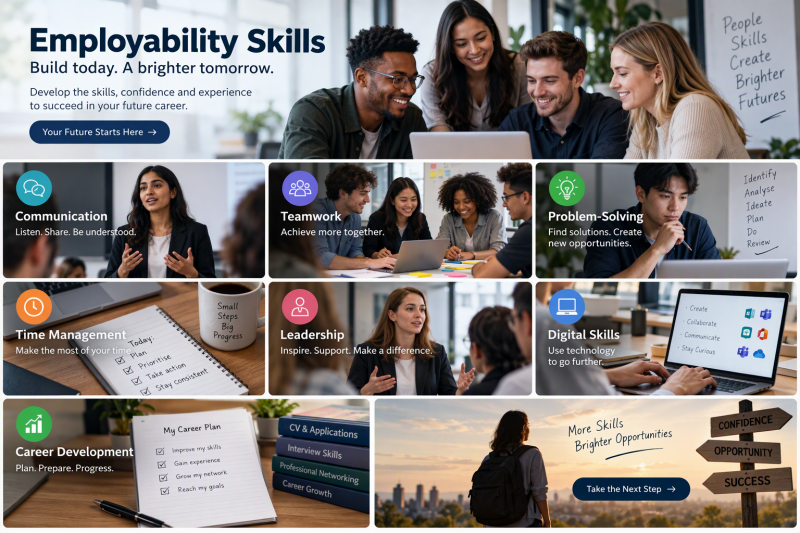
HOW THESE SKILLS SUPPORT MY FUTURE EMPLOYABILITY?
Throughout the Digital Literacy and skills module, I have gained valuable skills that I can transfer into the workplace and future creative projects. I have improved my ability to research, communicate, write, create digital content and work collaboratively.
The Airbnb blog assessment developed my research , analytical and written communication skills, while the group video project strengthened my teamwork, presentation and digital production abilities. Although I experienced challenges, particularly with editing, organising information and building confidence.
These experiences encouraged me to become more independent and resilient. I now understand that digital professionals need to be creative, responsible, adaptable and aware of their audiences.

Conclusion
This module has helped me recognise that digital literacy is more than knowing how to use technology. It also involves creativity, communication, critical thinking, responsibility and understanding audiences.
I believe the skills I have gained will support my future studies and help me prepare me for opportunities in the creative industries.